Introduction
In the realm of medical care, guaranteeing that clients get optimal treatment is vital. One important aspect of this care is the monitoring of dysphagia-- a problem characterized by trouble ingesting. Dysphagia can impact people throughout different age groups and health conditions, making it essential for treatment personnel to be well-equipped with the essential abilities and expertise to support those affected. This brings us to the significance of dysphagia training for carers In this write-up, we will explore why this training is important, discover its benefits, and highlight how it equips caretakers to offer much better assistance for their patients.
Understanding Dysphagia: A Critical Health And Wellness Concern
What Is Dysphagia?
Dysphagia refers to a range of swallowing troubles that can occur from various medical conditions, including neurological conditions, cancer cells treatments, and muscular diseases. People struggling with dysphagia frequently experience pain or pain while swallowing, which can cause severe difficulties such as desire pneumonia, dehydration, and malnutrition.
Signs and Signs of Dysphagia
Recognizing dysphagia early is essential in avoiding negative outcomes. Some symptoms include:
- Coughing or choking during meals Difficulty eating food Sensation of food being stuck in the throat Frequent heartburn or regurgitation Unexplained weight loss
The Occurrence of Dysphagia in Different Populations
Dysphagia is not restricted to a certain demographic; it can influence anybody from infants to the senior. As an example:
- In older adults, dysphagia might arise from age-related modifications or underlying wellness issues. Stroke survivors often deal with substantial obstacles with swallowing. Patients undertaking cancer therapies may develop dysphagia because of radiation or chemotherapy.
Empowering Care: The Value of Dysphagia Training for Carers
Why Is Dysphagia Training Crucial for Care Staff?
Understanding the complexities bordering dysphagia is essential for caretakers. Here's why:
Enhances Person Safety
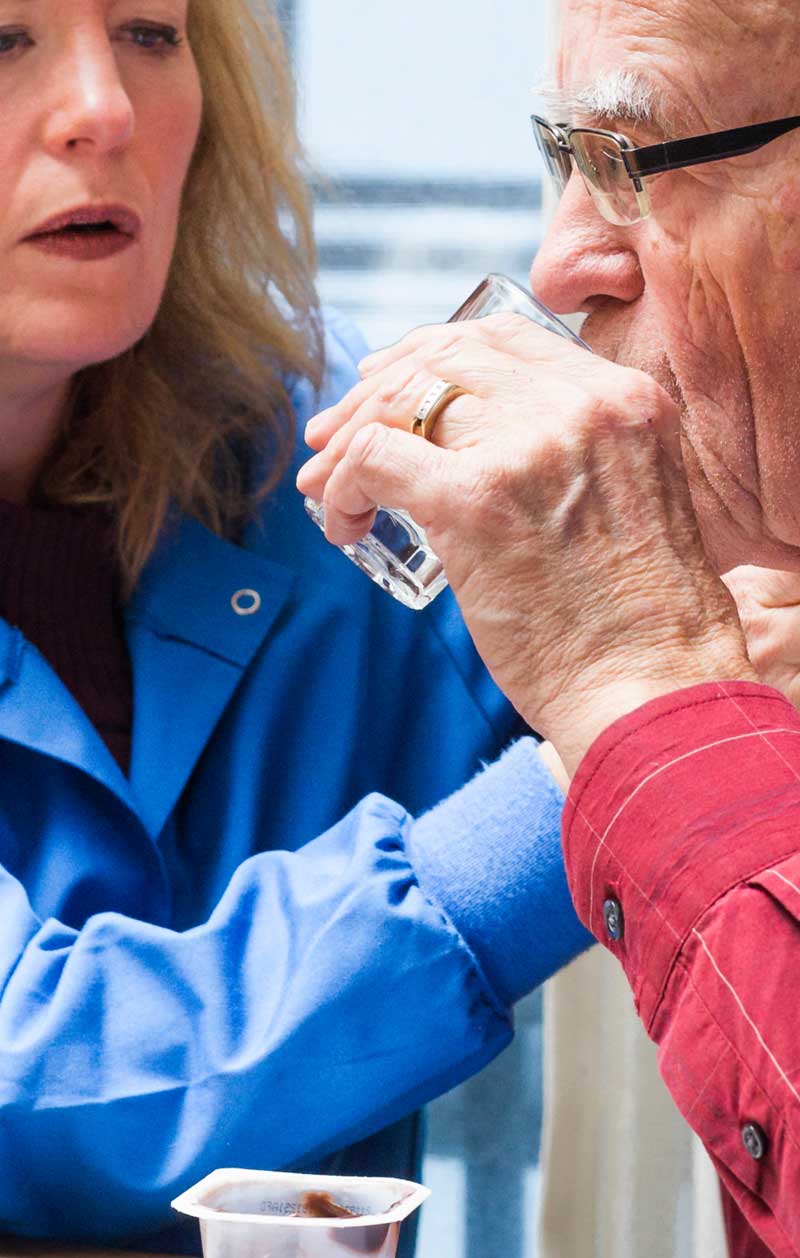
Proper training gears up treatment personnel with the skills needed to take care of dishes safely, reducing the danger of choking and aspiration.
Improves Top quality of Life
Supports Nutritional Needs
Educated carers can much better resolve nutritional adjustments needed for people with dysphagia, ensuring ample nutrition.
Promotes Reliable Communication
Understanding regarding dysphagia enables caretakers to communicate properly with patients regarding their dietary constraints and preferences.
Encourages Team Collaboration
A well-informed team promotes far better control among healthcare specialists associated with dysphagia management.
Types of Dysphagia Training Available
Dysphagia Training Programs for Carers
Various training courses are offered that cater particularly to care personnel collaborating with individuals that have ingesting difficulties:
1. Online Dysphagia Training Programs
These courses use adaptability and convenience by permitting carers to discover at their own speed from anywhere.
2. Face-to-Face Workshops
In-person workshops provide hands-on experience and practical demonstrations on safe feeding techniques.
3. Advanced Training courses for Nurses
Specialized training designed for registered nurses covers advanced strategies in analyzing and handling intricate situations of dysphagia.
Key Components Covered in Dysphagia Training Courses
Training training courses generally include numerous vital areas:
- Anatomy and physiology related to swallowing Identification of various sorts of dysphagia Safe feeding strategies Emergency action protocols
The Benefits of Comprehensive Dysphagia Treatment Training
Enhanced Data base Among Carers
A well-rounded education allows carers to comprehend numerous aspects connected to dysphagia comprehensively.
Reduction in Damaging Occasions Related To Ingesting Difficulties
With skilled team aboard, facilities report fewer occurrences including choking or aspiration-related complications.
Increased Confidence Amongst Caregivers
Knowing exactly how to take care of scenarios including dysphagic people boosts caregivers' confidence significantly.
How Do Carers Implement What They Learn?
Practical Application in Daily Routine
Carers who undergo dysphagia training incorporate their new abilities into day-to-day individual interactions by:
Conducting comprehensive evaluations prior to mealtimes. Applying learned methods throughout feeding sessions. Monitoring patients carefully post-meal for any type of signs of distress or complications.Collaborating with Speech Therapists and Dietitians
Effective dysphagia management involves partnership with various other doctor like speech therapists that concentrate on swallowing conditions and dietitians that create appropriate dish plans catering especially to each individual's needs.
Challenges Encountered Without Correct Dysphagia Training
Increased Threat Aspects Related to Poor Treatment Practices
Poorly informed caregivers might accidentally increase risks connected with feeding individuals struggling with dysphasia:

FAQs Regarding Dysphagia Training for Carers
1. What does a normal dysphagia training course cover?
A standard program generally covers makeup pertaining to ingesting, identification of different types/types/causes/ symptoms of dyslexia/dysfunction together with safe feeding practices/strategies/protocols etc, including emergency situation feedbacks when confronted with choking episodes!
2. How much time does it require to finish a dysphasia course?
Courses differ extensively; some online programs could be finished dysphagia training within a week while extra comprehensive options could cover over numerous months relying on depth/content given by trainers/instructors!
3. Can I access these courses online?
Absolutely! Numerous trusted organizations currently offer flexible online/digital platforms that enable learners simple accessibility anywhere 24/7!
4. Is there ongoing assistance after completing the training?
Yes! The majority of companies supply additional resources/support networks post-completion allowing participants gain access to even more help if needed/requested!
5. Are there accreditations granted upon effective completion?
Certainly! Several programs supply certificates acknowledging achievement/capacity acquired via participation/completion which improves reputation amongst peers/employers alike!
6. Can I incorporate what I find out right into my existing duty quickly after finishing my course?
Definitely! The understanding gained straight uses in the direction of enhancing existing techniques while guaranteeing safer/healthier experiences around dish times among those under your care!)
Conclusion
The relevance behind equipping treatment with efficient dyslexia monitoring can not be overstated; with defined instructional possibilities surrounding this essential subject caretakers can pave way towards boosted person end results whilst minimizing possible dangers connected along with eating/drinking challenges occurring due different medical problems influencing normal procedures digestively talking! Investing time/resources right into quality-focused dyslexia trainings inevitably verifies beneficial not only within scientific setups however also positively influences generally living experiences ran into daily among susceptible populations reliant upon proficient specialists supplying caring assistance at every step along their journeys towards recovery/stability long-lasting therefore highlighting necessary campaigning for efforts geared specifically towards enhancing lives influenced by regrettable conditions over one's head's control too!
By prioritizing dyslexia training throughout all levels-- from standard education and learning through specialized qualifications-- we ensure our areas stay complete sufficiently navigating complexities inherent within caring settings focused only improving health growing proactively instead of reactively resolving issues as they develop suddenly down line consequently facilitating alternative techniques nurturing durable structures advertising overall success stories written together collaboratively well after initial interactions started developing dynamically still forming tomorrow today onward!
